

Shane van Gisbergen’s Oval Awakening
Nashville Changed the Maths
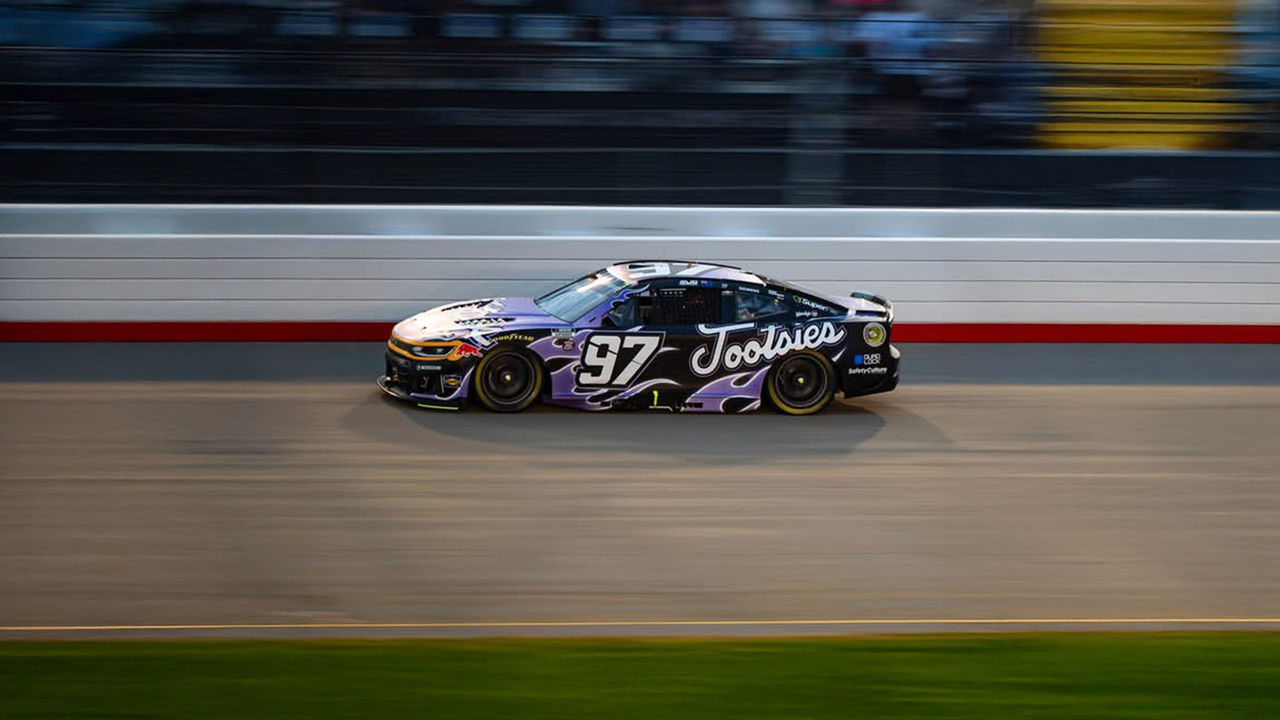
At Nashville Superspeedway last weekend, SVG finished fifth at the Cracker Barrel 400. His best-ever result on an oval. But the result is almost the least interesting part of what happened.
He led 12 laps. A new personal best on an oval, and that record was only a week old, set at Charlotte where he’d led 11. He ran inside the top ten for long stretches, battled Chase Elliott door-to-door in the final laps and did all of it in a car he was still figuring out as the race went on.
There’s a detail worth knowing about how the finish played out. NASCAR originally had him seventh. SVG was standing on pit road when a reporter mentioned a top five finish. He politely corrected them. Then NASCAR reviewed it. The final four laps had produced a three-wide sprint to the line with 0.005 seconds separating three cars, and on review SVG was bumped to fifth. He’d beaten Elliott by 0.001 seconds.
A huge step forward, but SVG was only focused on what could have been, “Again, pissed with myself. I mucked up the last lap there and Chase put it on my door, I got a bit loose, and then we both got tight and probably cost us some positions.”
Career-best oval finish in NASCAR’s Cup Series. Still unhappy with himself. That tells you everything about where his head is at right now.
Why Ovals Are So Hard to Crack
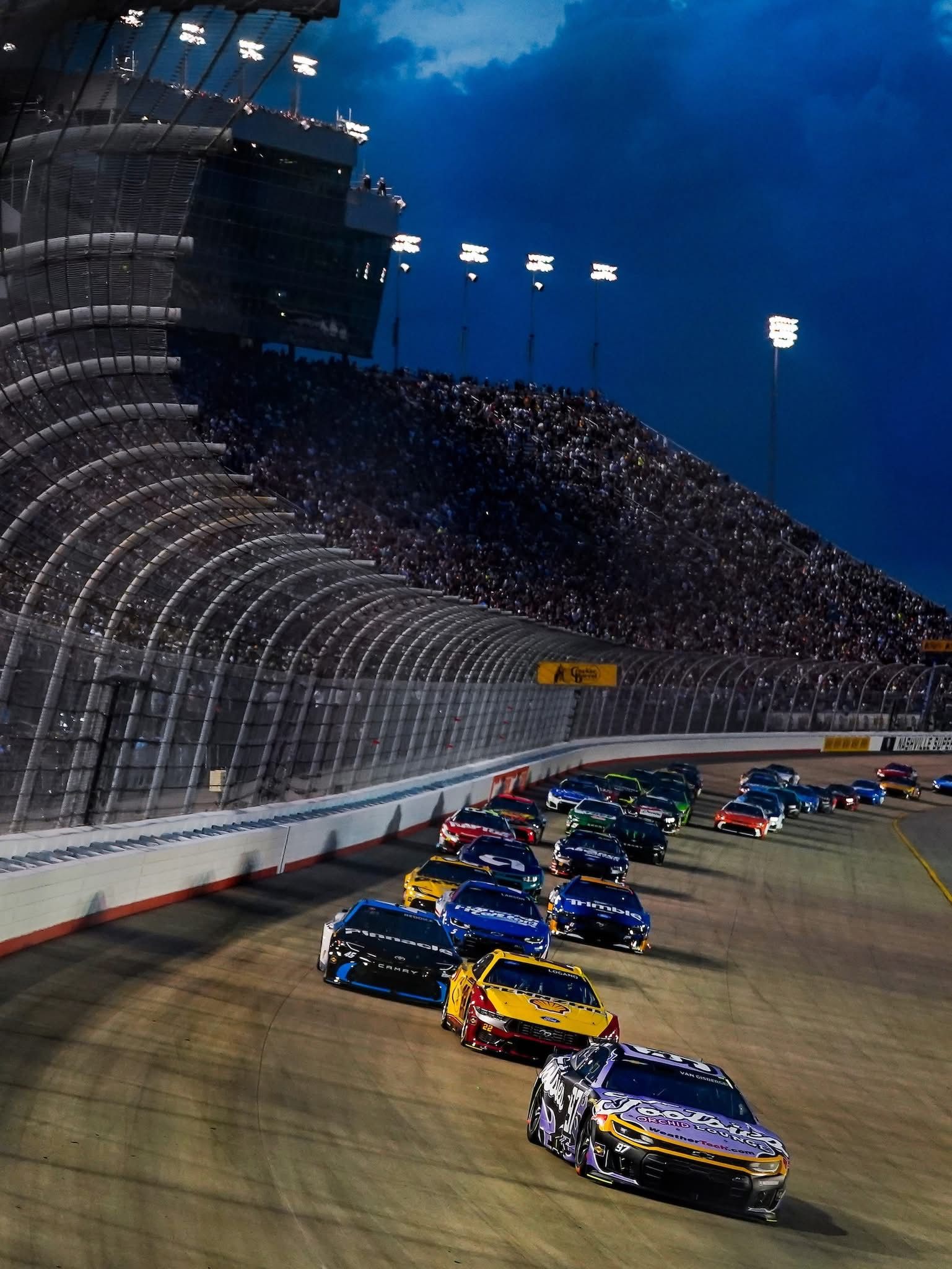
To appreciate what SVG is doing on ovals, you need to understand why so many world-class drivers from outside the American system never crack it. Road courses translate. Braking points, corner entry, managing surfaces and elevation changes; if you’ve raced Supercars, Formula 1, or endurance machinery at a high level, that knowledge travels with you.
Ovals are a different language entirely. Short tracks like Bristol and Martinsville are brutal and physical, doors banging for hundreds of laps, tire strategy critical, nowhere to hide. Superspeedways like Daytona and Talladega are 300km/h-plus pack racing built on drafting instincts that simply don’t exist anywhere else in motorsport. Intermediates like Nashville sit in between and demand something harder to teach feel. Reading the groove, managing how the car changes over a long stint, knowing when to push and when to save. Americans grow up doing this. SVG is learning it in real time, in the biggest series in the country, against people who’ve been doing it since they were teenagers.
His teammate Ross Chastain, a five-time oval winner, has watched the development up close. “He just didn’t do a lot of it in his past,” Chastain said. “He did some dirt-track stuff, but no big concrete, big, steep banked asphalt, high-speed mile-and-a-halves. He’s a racer and puts the tire to the limit. And he’s finding that limit.”
“I think it’s always just time and always learning stuff,” SVG said after Charlotte. “It really shows the importance of qualifying, getting up front, making no mistakes, and you can stay out there all day.” At Nashville he went further, saying he’d learned to move around in the corners in a way he’d simply never been able to do on an oval before. That is not a small step. That is the thing that separates drivers who can run top ten from drivers who can win.
Should the Competition Be Worried?
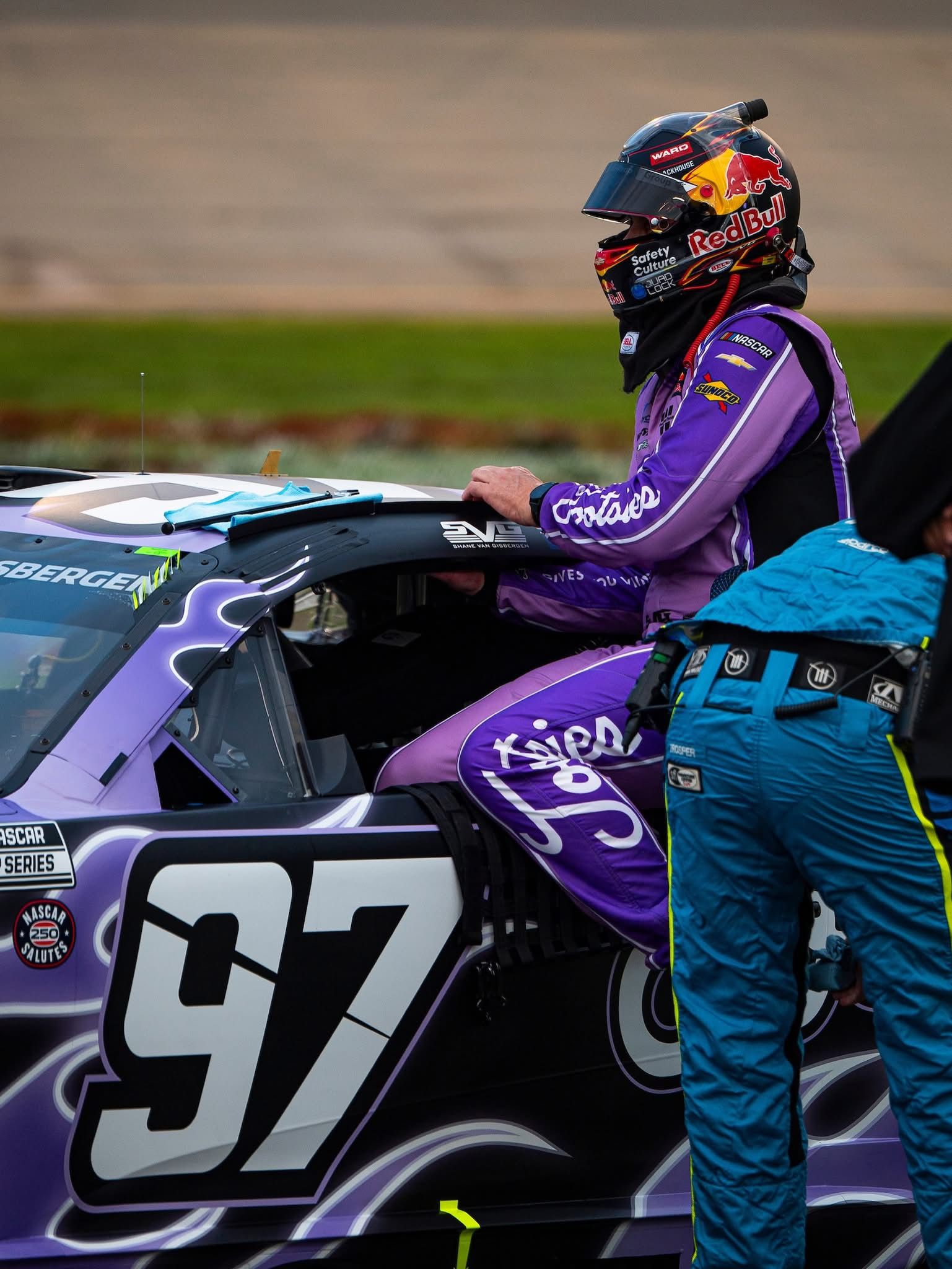
Honestly? Yes. And here’s why. When SVG was purely a road course threat, the rest of the field had a strategy. Let him have those weekends and hunt down points on ovals. It was uncomfortable, but it was manageable. Over the last three races, road and oval combined, SVG ranks second in the entire series with a 5.67 average finish. Only Tyler Reddick is ahead of him.
An oval win is coming. Nashville showed a driver who can lead laps, fight wheel-to-wheel at the sharp end and drag a result out of a car that isn’t quite right. The trajectory since Kansas last year has been steep and consistent: top ten, then sixth at Atlanta, then 11 laps led at Charlotte, now 12 laps led and fifth at Nashville. That is not a plateau. That is a driver closing in.