

Giltrap Group at 60: The race is on
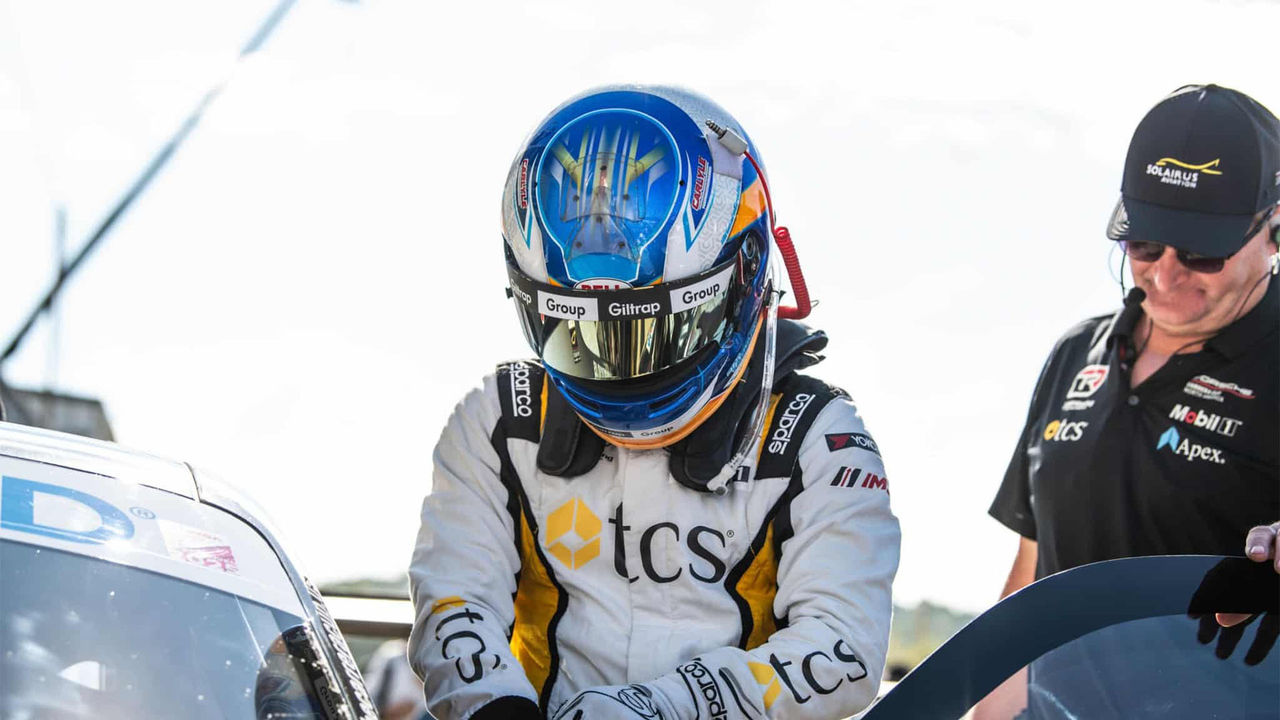
It is a small thing, that strip. But in New Zealand motorsport it has come to say something that no amount of signage could. Someone saw the talent early. Someone decided this driver was worth backing, often long before the rest of the world had caught up. More often than not, that someone was the late Sir Colin Giltrap.
In the last issue of 66 we told the story of how a Taranaki teenager turned an instinct for cars into one of the most influential automotive businesses in New Zealand. This is the other half of that life. Because while Colin was building showrooms, he was also quietly building careers, and the motorsport story that runs alongside the business is every bit as remarkable.
It began, fittingly, with a young man who couldn’t afford to be there. In 1962, at 21, Colin wanted to be part of the New Zealand Grand Prix at Ardmore but had no money to race, so he did the next best thing and found a way in through the back door. He volunteered as pit crew for his friend Tony Shelly and spent the weekend moving among the giants of the era: Jack Brabham, Stirling Moss, Jim Clark, and Bruce McLaren, who would become a close friend.
Nobody in that pit lane could have known where it would all lead. McLaren would go on to win Grands Prix, conquer Le Mans and lend his name to one of the defining teams in racing. Colin would take a different road to a strangely similar place, using a business built on instinct to do something just as lasting in New Zealand terms: get talented Kiwis out of a country at the bottom of the world and onto the biggest stages in motorsport.
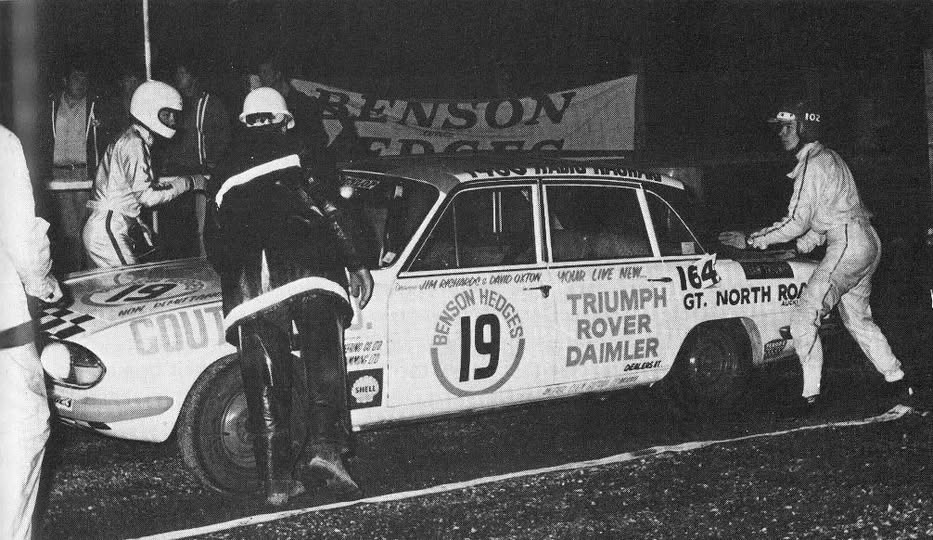
The names came thick and fast once he started. The first official Giltrap drivers were Jim Richards and David Oxton, claiming a class win and third overall at the B&H 500 at Pukekohe in 1970. Both would go on to become household names, Richards reaching legendary status, with seven Bathurst victories, four championships and a remarkable 35 consecutive starts at Mount Panorama.
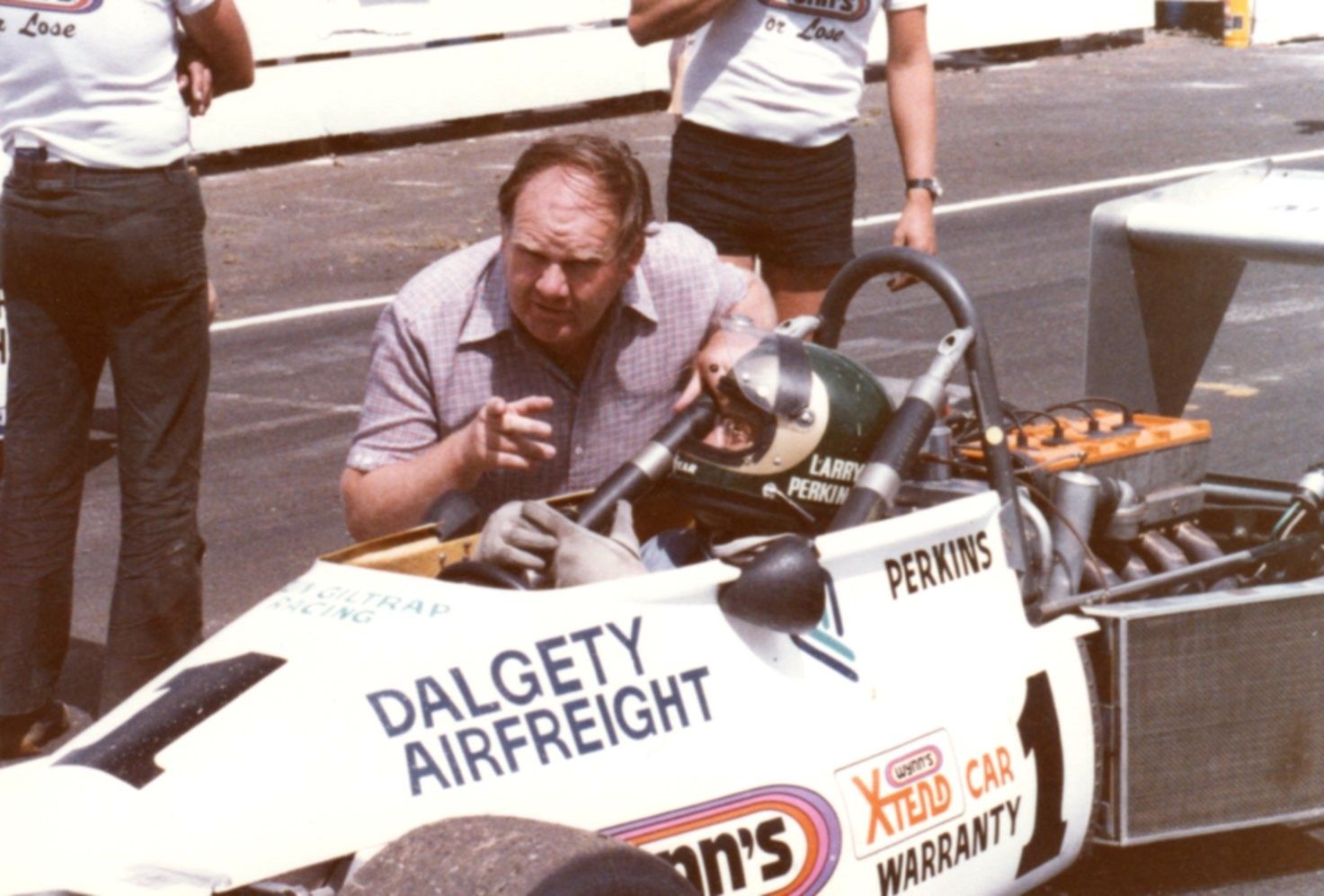
For all that, it would be an Australian, Larry Perkins, who gave Colin Giltrap Racing its first win. Perkins went on to a career studded with six Bathurst victories. There was a knack at work here, not just for spotting a driver, but for drawing the wider world a little closer to home, so that New Zealand began to feel less like somewhere apart from the sport and more like somewhere plugged into it.
No bet Colin ever placed has aged better than Scott Dixon. He was there at the beginning, long before the wider world worked out what it was looking at. The career that followed has outgrown motorsport altogether to become one of the great New Zealand sporting stories, full stop. Six IndyCar titles, the 2008 Indianapolis 500, four wins at the Daytona 24 Hours, and more race victories than any active driver in the series, with only the legendary A.J. Foyt ahead of him on the all-time list. In the 2026 New Year Honours he became Sir Scott Dixon. It is the kind of return on faith that makes early belief look less like instinct and more like judgement.
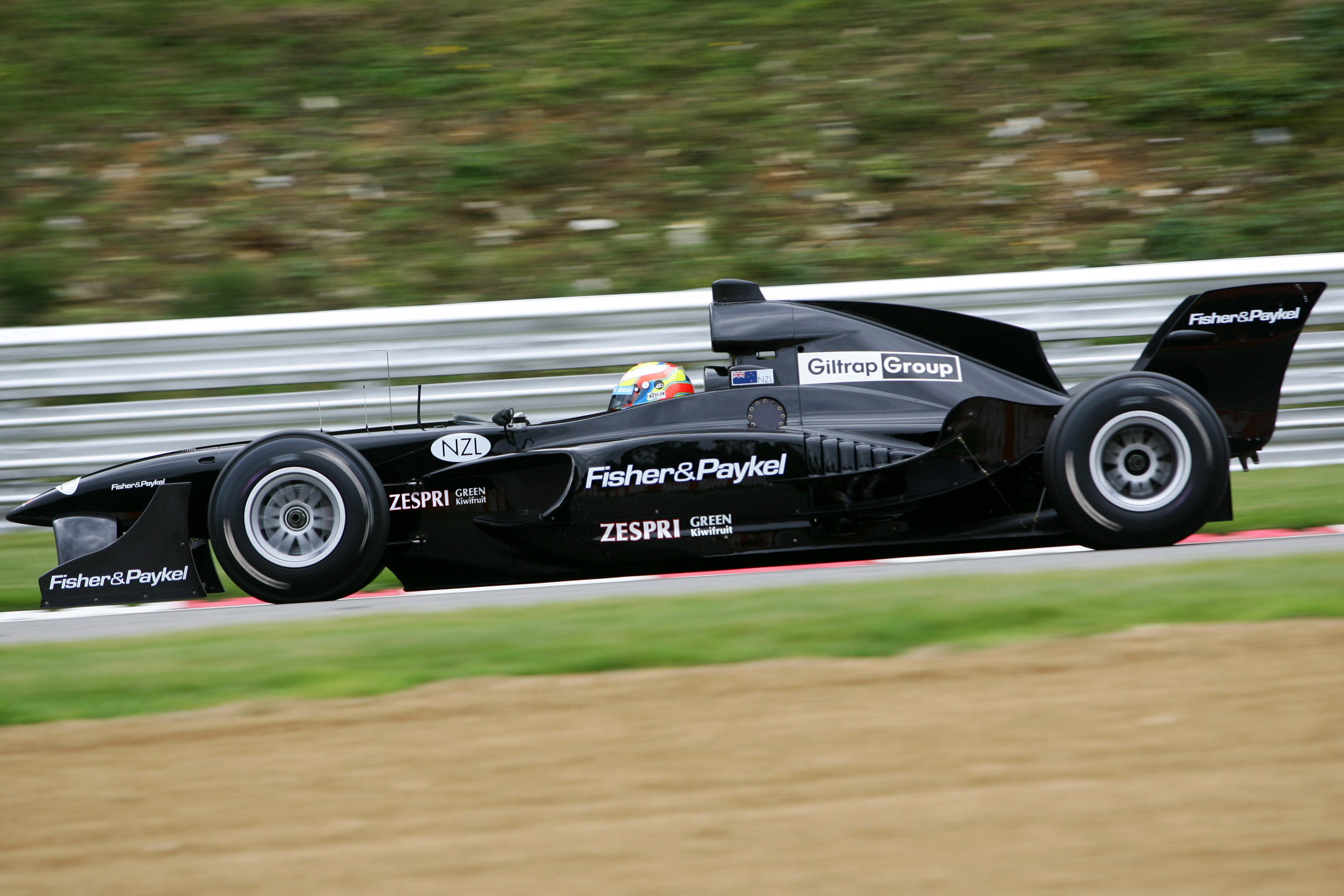
If Dixon was the long game, A1GP was the grand gesture. When Giltrap secured New Zealand a franchise in the new nation-against-nation series in 2005, the symbolism was impossible to miss: an all-black single-seater carrying a small country into a fight with the giants, four decades after McLaren and Amon had done exactly that, in black, at Le Mans.
With Jonny Reid and Matt Halliday at the wheel, Black Beauty was no novelty. Reid won seven races and finished championship runner-up twice, and the home victory at Taupo in 2008 remains one of the great modern reminders of what this country’s motorsport can feel like when everything aligns.
By then the black-and-white strip had quietly become more than signage. It was a signal. If it was on a visor, the odds were good that the driver behind it had passed through one of the few New Zealand systems that genuinely understood what it takes to build a career from this far away.
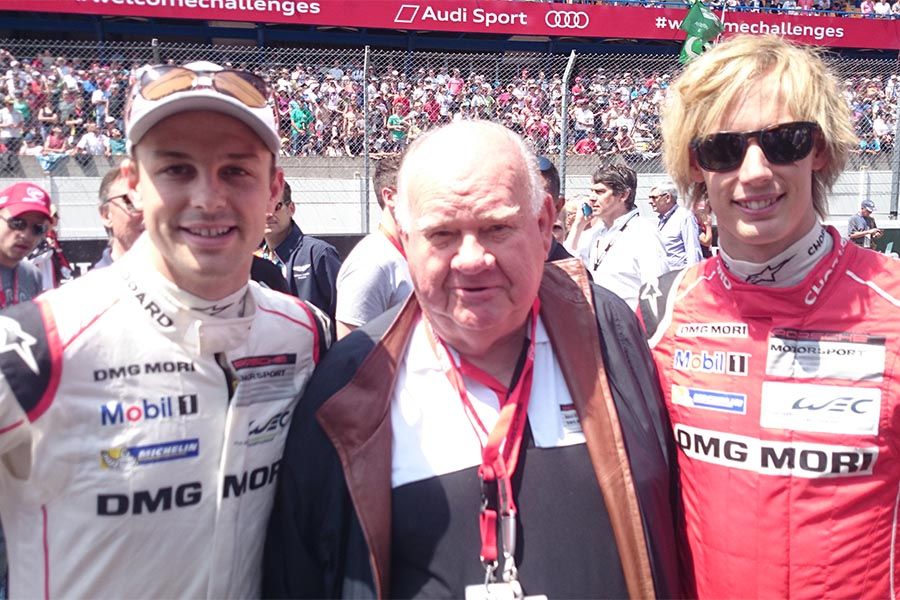
The proof is in the company those drivers now keep. Brendon Hartley has three Le Mans wins and four World Endurance titles, and a Formula One seat that made him the first New Zealander in more than 30 years to start a Grand Prix. Earl Bamber has two Le Mans wins of his own. Different paths to the same destination: Kiwi talent, properly backed, proving it belongs in the hardest company on earth.
Shane van Gisbergen has dominated in Formula cars, GT racing, Touring cars and now in NASCAR. He was the first New Zealander in 25 years to win the Supercars championship. Then America beckoned, and he answered, with that astonishing victory on his NASCAR Cup debut in Chicago in 2023, the first of its kind in the modern era. He has since made road and street courses his private property, every one of his Cup wins coming on them, the latest at Watkins Glen in 2026 nudging him towards genuine NASCAR history.
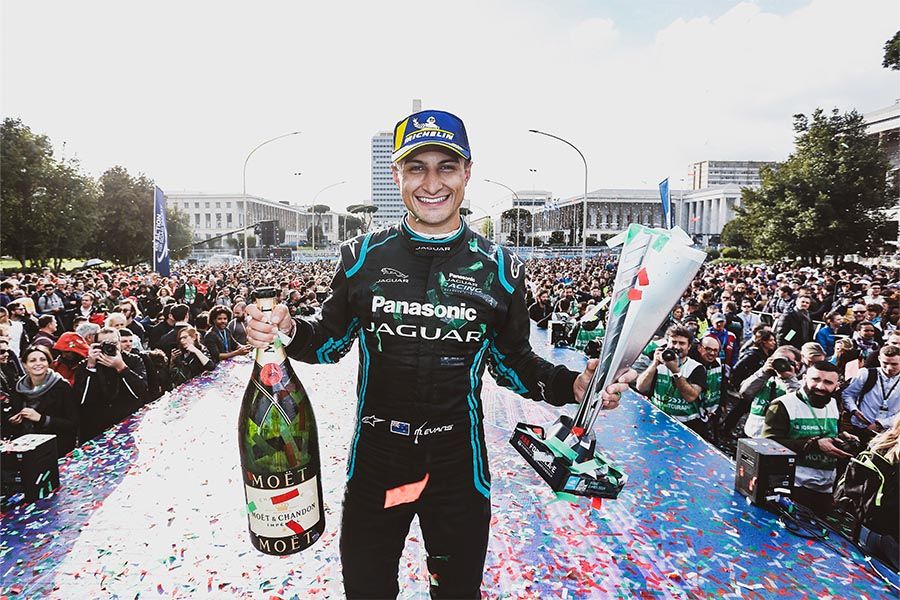
And the disciplines keep multiplying. Mitch Evans remains a benchmark in Formula E. Hayden Paddon is still the only New Zealander to win a round of the World Rally Championship. The surfaces change, the machinery changes, the borders change. But the standard never does.
Which brings us to Liam Lawson, the clearest sign yet that the pipeline has not run dry. Raised in the orbit of Pukekohe and toughened by a stop-start road into Formula One, he looks more at home in 2026 than he did a year ago, scoring in five of his first seven Grands Prix for Racing Bulls and settling inside the championship’s top ten. That’s not hype. That’s substance, and substance has always been the currency this organisation deals in.
Behind him, the names are already forming an orderly queue. Matt Payne won the Bathurst 1000 in 2025 and is chasing the title this season. Ryan Wood took a breakthrough Supercars win on home soil at Taupō this April, joining Andre Heimgartner as a Supercars race winner. Hunter McElrea has made himself a force in American sportscars, a two-time IMSA endurance champion and Sebring 12 Hours class winner, while keeping an IndyCar reserve seat warm at Ed Carpenter Racing in pursuit of the bigger prize.
Callum Hedge, who took the Carrera Cup Australia crown and the Formula Regional Americas title in the same 2023 season, has since raced Indy NXT in the States and now runs at the front of Carrera Cup North America. And Louis Sharp, Christchurch-raised and ferociously quick, has followed back-to-back British F4 and GB3 titles with a step up to FIA Formula 3, the last rung before a very Lawson-shaped door.
The pack runs deeper still. In Carrera Cup Australia this season, Clay Osborne and Tom Bewley have been turning up at the front week after week, Osborne leading the championship, Bewley the latest prodigy off the same Team Porsche New Zealand scholarship that launched Hedge and Payne. And carrying the family name into the fight himself is Marco Giltrap: a Lamborghini Super Trofeo Asia and Porsche Sprint Cup champion, now a front-runner in Carrera Cup Asia, his 911 GT3 proudly wearing the number 66.
That number was the start line. Six decades on, the black and white is still racing at the front of the world, no chequered flag in sight, and the best laps may be the ones still to come.